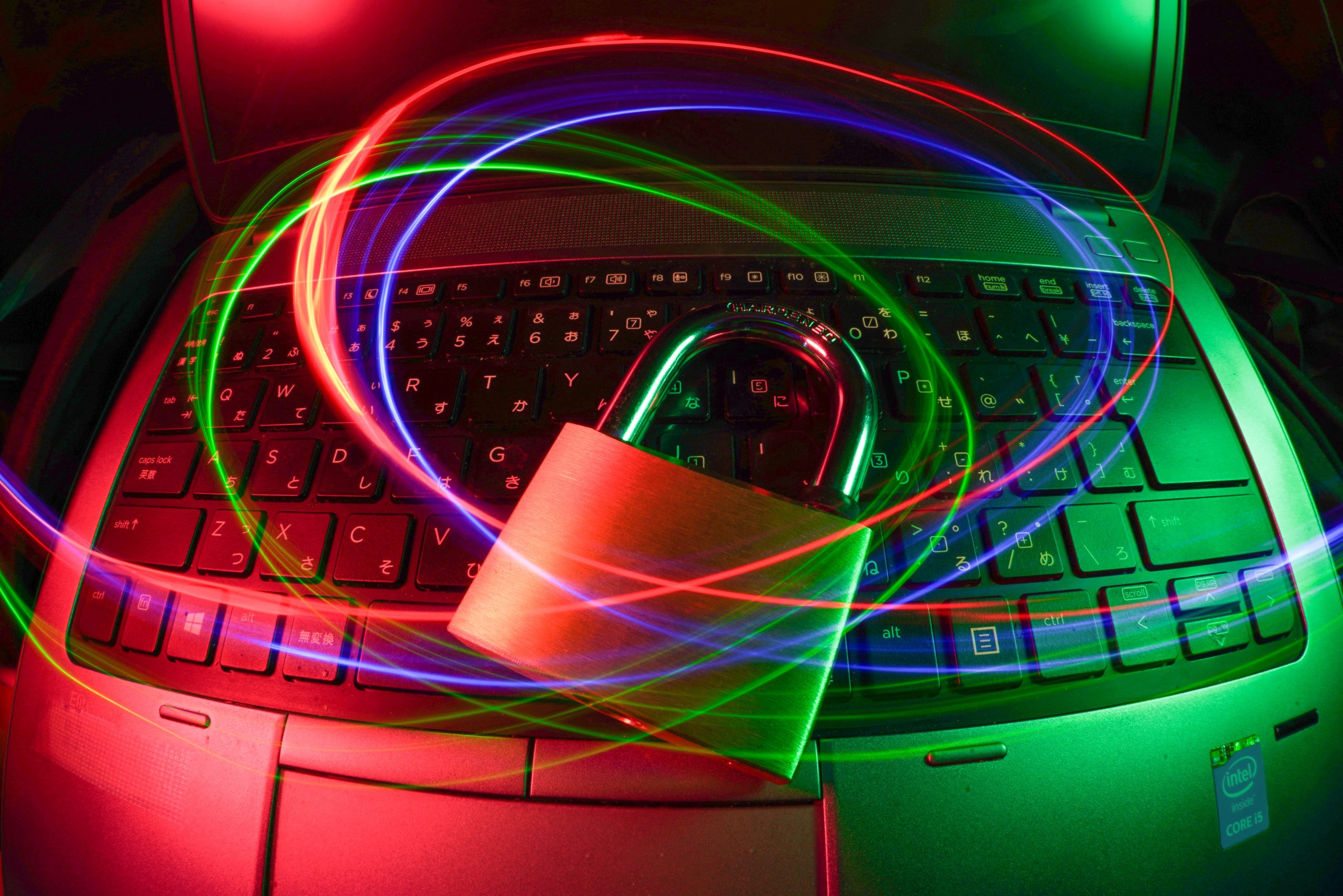
Why Computer Protection Is Important
The internet is a powerful tool that allows you to shop online, browse information, and access almost anything you need. However, just as we use it for convenience, cybercriminals such as hackers, fraudsters, and spammers also use it for malicious purposes.
Their primary goal is to gain unauthorized access to your system and steal sensitive information such as credit card details, banking data, passwords, and browsing activity. In many cases, attackers may even use your computer as a gateway to carry out further illegal activities without your knowledge.
Risks of Using the Internet Without Protection
If you regularly use the internet for browsing or online shopping, it is essential to protect your computer from various threats. Many websites may appear legitimate but can contain hidden spyware or malware that infects your system.
Downloading files from peer-to-peer (P2P) platforms like Ares or LimeWire can be particularly risky. A large percentage of files shared on such platforms may contain malicious programs like Trojan viruses.
A Trojan virus disguises itself as legitimate software but secretly damages your system or steals your data. Often, users are unaware of the infection until it is too late.
The Role of Firewalls in Computer Security
Without a firewall enabled on your computer or laptop, your system becomes highly vulnerable. Hackers and malicious programs constantly scan the internet for unsecured devices by sending signals (often called “pings”) to identify weak targets.
A firewall acts as a barrier between your system and external threats, blocking unauthorized access and suspicious activity. Without it, detecting and preventing such attacks becomes extremely difficult.
Dangers of Spyware and Malicious Programs
There are countless programs available online that may appear safe to download. However, many of these contain spyware or hidden malicious code.
Spyware is designed to track your online activity, record the websites you visit, and collect personal information without your consent. This data is often shared with third parties, leading to privacy violations and targeted spam.
This is one of the main reasons why many users receive large amounts of unsolicited emails daily.
How to Protect Your Computer
Protecting your computer is essential, as it serves as the gateway to your personal and financial information. Some effective ways to enhance your computer security include:
- Install reliable antivirus and anti-spyware software
- Enable and configure a firewall
- Avoid downloading files from untrusted sources
- Be cautious when clicking on unknown links or attachments
- Keep your operating system and software updated
Choosing the Right Computer Protection Software
There are many security programs available, ranging from basic to advanced solutions. A good computer protection program should offer:
- Antivirus protection
- Anti-spyware features
- Firewall security
- Email protection
- Identity protection
- Parental controls
Choosing a comprehensive security solution ensures that your system is protected from a wide range of threats.
Final Thoughts
In today’s digital world, computer protection is not optional—it is essential. With increasing cyber threats, failing to secure your system can lead to serious consequences, including data loss and financial damage.
By taking proactive steps and using reliable security tools, you can safeguard your computer and protect your personal information from cybercriminals.