If you have ever been to a hospital for a medical checkup or treatment, or accompanied someone to the hospital, you must have seen many computers throughout the facility. Modern hospitals use a variety of sophisticated machines, such as MRI scanners, X-ray machines, ultrasound devices, and CT scanners—all of which are connected to computers to access scan results.
The machines you see monitoring patients in each room are also computer-based systems. Modern healthcare relies heavily on computers for diagnosing ailments. These systems allow doctors to examine the human body without making an incision, pinpoint the cause of an illness, begin targeted treatment, and monitor improvements or worsening conditions through regular reports. Computers simplify life in every field, including healthcare.
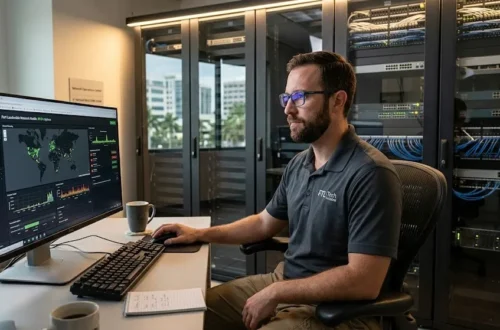
Professionals who maintain these systems are called Healthcare Information Technology (IT) Consultants. As a healthcare IT consultant, your role involves maintaining equipment, keeping accurate databases, and assisting in medical research using technology. You are responsible for deploying technology efficiently, accurately, and cost-effectively. Time is critical when a patient is battling for their life, so timely and accurate diagnosis, as well as access to medical reports, is essential.
Various diplomas and degrees are offered by institutions for those interested in this field. You can even pursue a doctorate, which allows you to work directly in research departments and contribute to cutting-edge technologies that improve human life. Specializations may include data collection, software applications, ethics and legal aspects, physiology, and pharmacology. Many research institutes also offer scholarships and internship programs for practical, on-the-job learning.
Working professionals can opt for distance education to earn a degree in healthcare information technology while continuing their current jobs. After completing your education, you can work in hospitals, nursing homes, doctors’ offices, pharmaceutical companies, or medical research centers.
There are many opportunities in this growing field, and the demand for professionals is increasing. Healthcare IT consultants are well-compensated for their work. For example, the United States Bureau of Labor predicted a 17% increase in employment opportunities in this sector by 2016.